

Do I need a CFO?
6 Signs Your Business Has Reached a Financial Turning Point
Your business is growing. Sales are increasing. New opportunities seem to appear every month. From the outside, everything looks successful.
But behind the scenes, you may be experiencing a different reality. Cash is tighter than it should be. Major decisions feel riskier than they used to. Your financial reports tell you what happened last month, but they don’t tell you what is likely to happen next quarter.
This is often the point where business owners begin asking an important question: When do I need a CFO?
The answer is rarely tied to a specific revenue number or employee count. Instead, the need usually becomes apparent when financial decisions become more complex and the consequences of making the wrong choice become more expensive.
The challenge is that growth eventually creates questions that traditional accounting alone may not answer. Questions about cash flow, expansion, hiring, pricing, forecasting, and long-term planning often require a different level of financial leadership.
If you have been wondering whether your organization has reached that point, here are six signs to watch for:
Sign #1: You're Profitable on Paper but Constantly Short on Cash
This is one of the most frustrating situations a business owner can face. Revenue is increasing, sales look strong, and your profit-and-loss statement suggests the company is doing well. Yet every month feels like a scramble to cover payroll, pay vendors, purchase inventory, or prepare for tax obligations.
Many business owners discover that profit and cash flow are not the same thing. A company can appear profitable while still struggling with the timing of incoming and outgoing cash. Large receivables, seasonal fluctuations, unexpected expenses, or rapid growth can all create cash shortages even when the business is technically making money.
A CFO helps bring visibility to these challenges by creating cash flow forecasts and identifying potential problems before they become emergencies. Instead of constantly reacting to financial surprises, business owners gain a clearer picture of what lies ahead and can make decisions with greater confidence.
One business owner described the experience this way:
"We were growing every year and showing a profit, but somehow cash always felt tight. It wasn't until we started looking ahead instead of just reviewing reports that things began to improve."
Online Business Owner
If your business appears healthy on paper but cash flow remains a constant source of stress, it may be one of the clearest signs that you need CFO services.
Sign #2: Every Major Business Decision Feels Like a Guess
As businesses grow, the stakes become higher. Hiring a new employee, purchasing equipment, adding a service line, opening another location, or investing in technology can require significant financial commitments. The challenge is that many owners make these decisions based on instinct because they lack reliable financial projections.
There is certainly value in trusting your experience, but experience alone cannot tell you how a decision may affect cash flow six months from now or whether growth plans are financially sustainable. Without forecasting, even smart business owners can find themselves taking unnecessary risks.
A business owner on a discussion forum shared:
"Having accurate monthly financials changed the way we ran our company. We stopped guessing and started making decisions based on real data."
Online Business Owner
A CFO helps create financial models that allow you to evaluate different scenarios before committing valuable resources. Rather than wondering if a decision will work, you gain insight into the likely financial outcomes before moving forward.

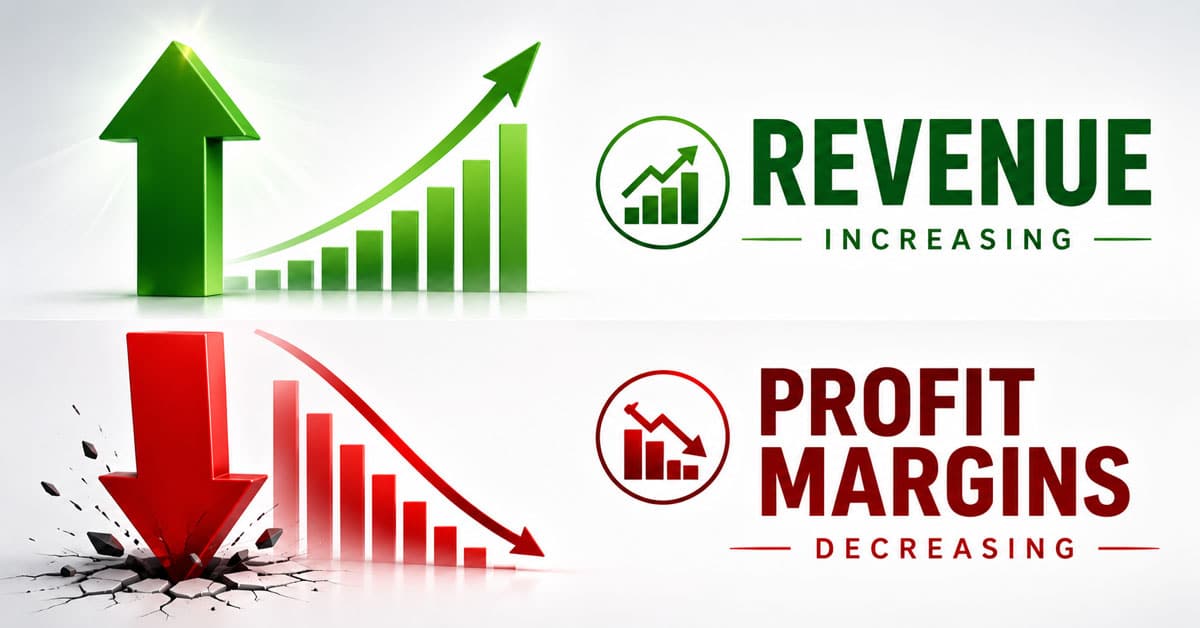
Sign #3: Revenue Is Increasing but Profit Margins Keep Shrinking
Many business owners assume that more revenue automatically means more profit. Unfortunately, growth often exposes hidden weaknesses that were easier to ignore when the company was smaller.
Labor costs increase. Material costs rise. Discounts become more common. New customers require additional support. Before long, revenue is setting records while profits remain flat or begin declining.
One owner summed it up perfectly:
"The business was busier than ever, but somehow it felt like we were working harder for less."
Online Business Owner
This situation can be particularly discouraging because outwardly everything appears successful. Yet inside, the financial rewards are not matching the effort required to achieve them.
A CFO can help identify where profit is leaking from the organization. Pricing strategies, operational efficiencies, cost controls, and performance measurements can often reveal opportunities that significantly improve profitability without requiring dramatic changes to the business.
Sign #4: Your Accounting Team Can Handle the Books but Not Strategic Planning
Many successful companies have excellent bookkeepers and accountants. Their financial records are accurate, bills are paid on time, and month-end reports are completed correctly.
However, there is a difference between maintaining financial records and using financial information to guide business strategy.
One business owner recently commented:
"Our accounting team kept everything organized, but we still struggled to answer bigger questions about growth and long-term planning."
Online Business Owner
Bookkeepers provide data entry. CFOs help ensure compliance and provide valuable guidance. A CFO takes the next step by helping leadership understand how financial information should influence future decisions.
When your business reaches a certain size, simply knowing what happened last month is no longer enough. You need someone who can help you understand what should happen next and how today’s decisions may affect tomorrow’s results.
Sign #5: Banks, Investors, or Business Partners Are Asking Questions You Can't Easily Answer
Many organizations first realize they need CFO services when they begin pursuing financing, expansion opportunities, or strategic partnerships.
A lender asks for a twelve-month cash flow forecast. An investor wants to review growth projections. A potential partner asks about profitability targets and future plans.
Suddenly, historical financial reports are no longer enough.
These conversations require forward-looking information that many businesses have never formally prepared. While the company may be healthy, leadership struggles to clearly communicate where the organization is heading and how it plans to get there.
A CFO helps translate financial information into a roadmap for the future. Forecasts, budgets, financial models, and strategic planning tools provide the credibility that lenders, investors, and partners often expect. The result is greater confidence from outside stakeholders and better preparation for important opportunities.
Sign #6: You're Planning for Growth, Expansion, Acquisition, or Ownership Transition
Major business events rarely happen overnight. Whether you are opening a second location, acquiring another company, bringing in new partners, preparing for retirement, or considering a future sale, financial preparation should begin long before the event itself.
Unfortunately, many owners wait until an opportunity is already in front of them before seeking financial guidance. At that point, they may discover that key information is missing, systems need improvement, or financial reporting requires significant cleanup.
A CFO helps business owners prepare proactively rather than reactively. By developing long-term plans and identifying potential obstacles early, organizations are often able to move forward with greater confidence and stronger financial results.
This is especially important for business owners who hope to sell their company someday. Buyers want more than historical financial statements. They want confidence in future performance, reliable forecasts, and evidence that the business is well managed.
The earlier that preparation begins, the more options a business owner typically has available.
When Do I Need a CFO? The Answer May Be Sooner Than You Think
Many business owners assume CFO services are only for large corporations. In reality, growing organizations often benefit from strategic financial guidance long before they reach that level.
If you recognized your business in one or more of these signs, it may be time to evaluate whether additional financial leadership could help you reach your goals faster and with fewer surprises.
The goal of a CFO is not simply to explain what happened in the past. The goal is to help you make better decisions about the future.
Stop Looking Backward and Start Planning Forward
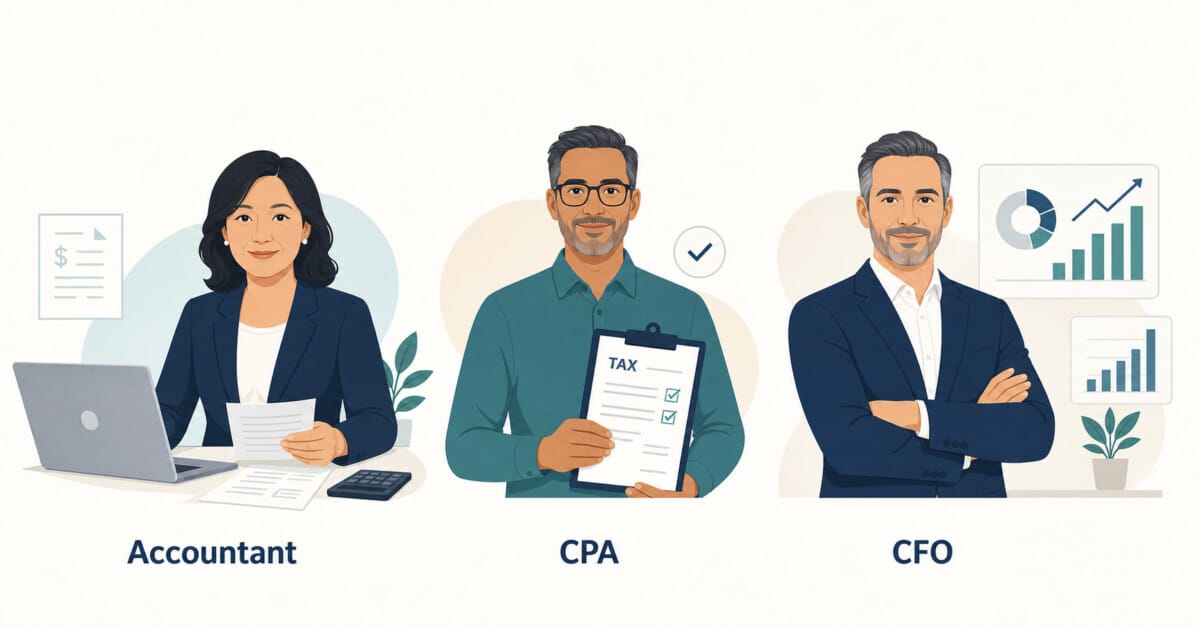
Accountants and CPAs play an essential role in every successful business. They help ensure your financial records are accurate, compliant, and reliable.
But when your business reaches a new level of complexity, growth, or opportunity, historical reporting alone may not provide the guidance you need. At that point, strategic financial leadership becomes increasingly valuable.
If you’ve been asking yourself, “When do I need a CFO?”, the answer may be sooner than you think.
At The Expert Accountant, we help growing organizations gain the financial insight, forecasting, and strategic guidance they need to make confident business decisions and plan for the future.
If you would like to better understand the differences between accounting, CPA, and CFO services, we also invite you to read our related article, Do You Need an Accountant, CPA, or CFO?
Contact The Expert Accountant today to learn whether outsourced CFO services are the right fit for your organization.